Meet the current Church Council members at Gateway
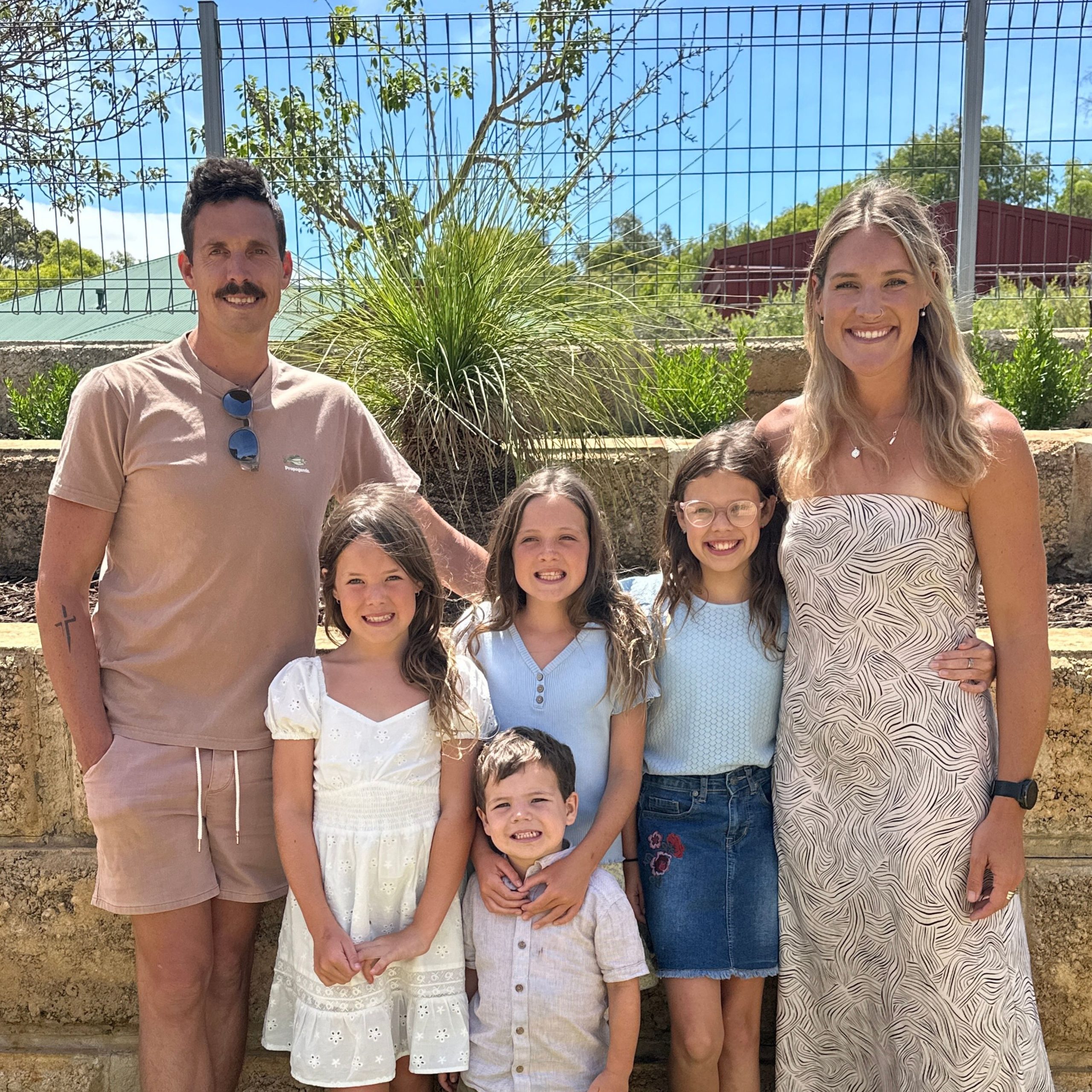
Pastor, Craig Verdouw
(Bachelor of Theology)

Elder, Rev. Peter Abetz
(Bachelor of Divinity)
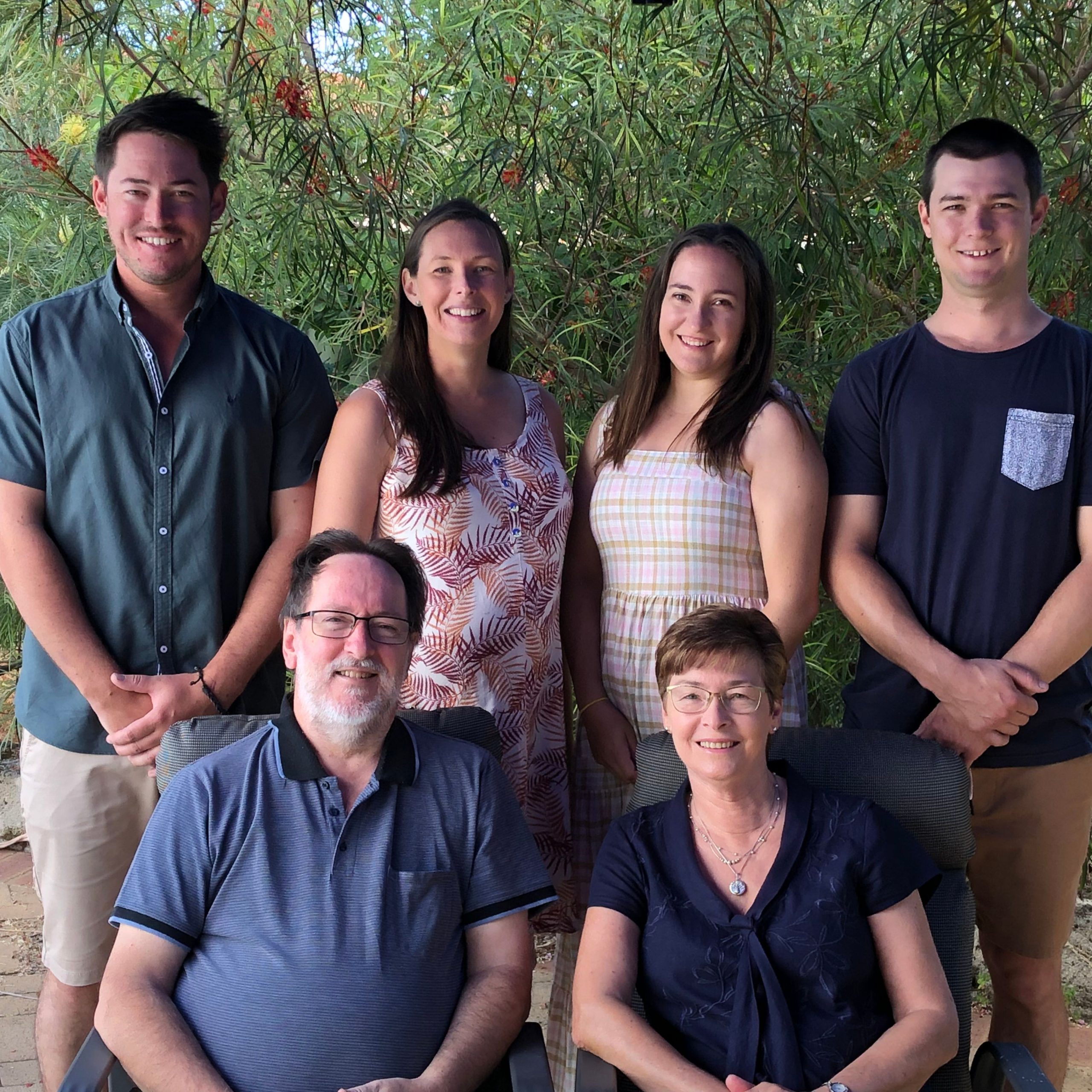
Elder, Wayne Pike
(Treasurer)


Deacon, James Austin

Deacon, John Pike
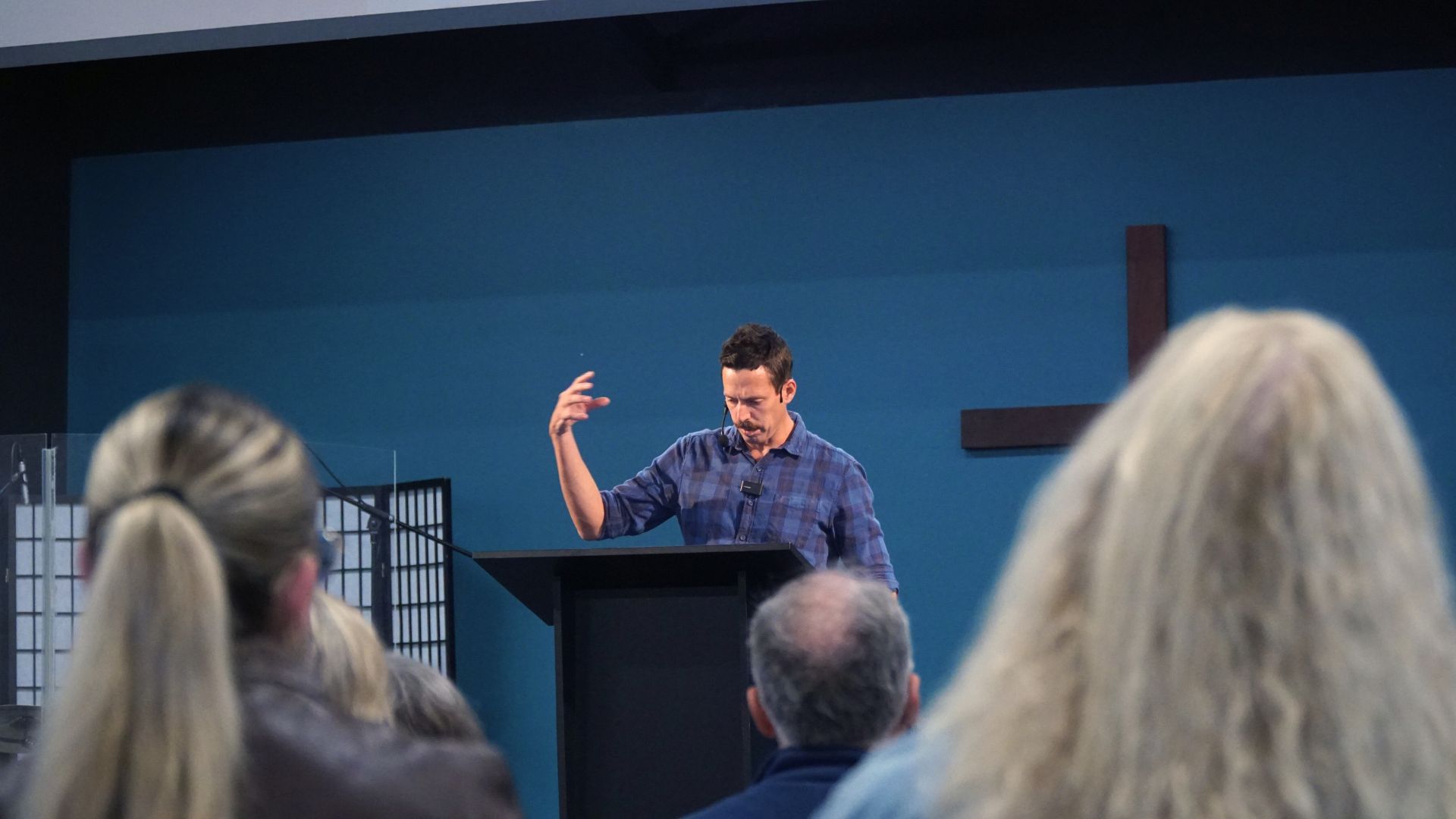
A team of shepherds under Christ our Chief Shepherd
As a part of the Christian Reformed Churches of Australia, church leadership follows a ‘Plurality of Elders’ model. You might have heard of churches that have the pastor as the head honcho, from whom and by whom alone the authority flows. This is not the case for the CRCA, nor for Gateway. We maintain that the Lord Jesus Christ is King over His church! We maintain that the Lord Jesus Christ is King over His church! Isn’t that what Colossians 1:15-23 suggests?
“The Son is the image of the invisible God, the firstborn over all creation. For in Him all things were created: things in heaven and on earth, visible and invisible, whether thrones or powers or rulers or authorities; all things have been created through Him and for Him. He is before all things, and in Him all things hold together. And He is the head of the body, the church; he is the beginning and the firstborn from among the dead, so that in everything he might have the supremacy. For God was pleased to have all His fullness dwell in Him, and through Him to reconcile to Himself all things, whether things on earth or things in heaven, by making peace through His blood, shed on the cross.” Yet God has gifted the church with some authority structures in order that the church would be cared for, and cared for well, for His name’s sake. This has come to be known as the Church Council.
Denomination Structures and Accountability
Beyond the local church, our CRCA is held accountable to wider governing bodies. The Christian Reformed Churches of each state meet three times each year in an assembly called Classis (similar to a presbytery in other Reformed traditions). At Classis, representatives from local church councils come together for such things as mutual encouragement and accountability, examinations for preaching licenses and the ordination of suitably qualified pastors. This practice is rooted in examples of regional leadership seen in Acts 15:1-21, where the Jerusalem Council made decisions for multiple churches.
At the national level, Synod is our largest and broadest denominational decision-making body. The Synod gathers every 3 years with representatives voted in as delegates from each State Classis. The Synod addresses issues affecting the denomination as a whole, ensuring the highest levels of unity in doctrine and practice across churches. This tiered structure reflects the CRCA’s emphasis on shared governance, cooperative decision-making, and the interdependence of local churches within a broader fellowship. In a phrase, the Synod serves the Classes, the Classes serve each local church council, and the local church council serves the local church – all to ensure the greatest praise of Jesus!